Material library

Nothing here was invented in a lab

Every material we use grows, is dug, or is cast within a day's drive of the workshop that shapes it. Here is what each one is, why it lasts, and how to keep it.

Jute

Rangpur, Faridpur, Narayanganj

Jute

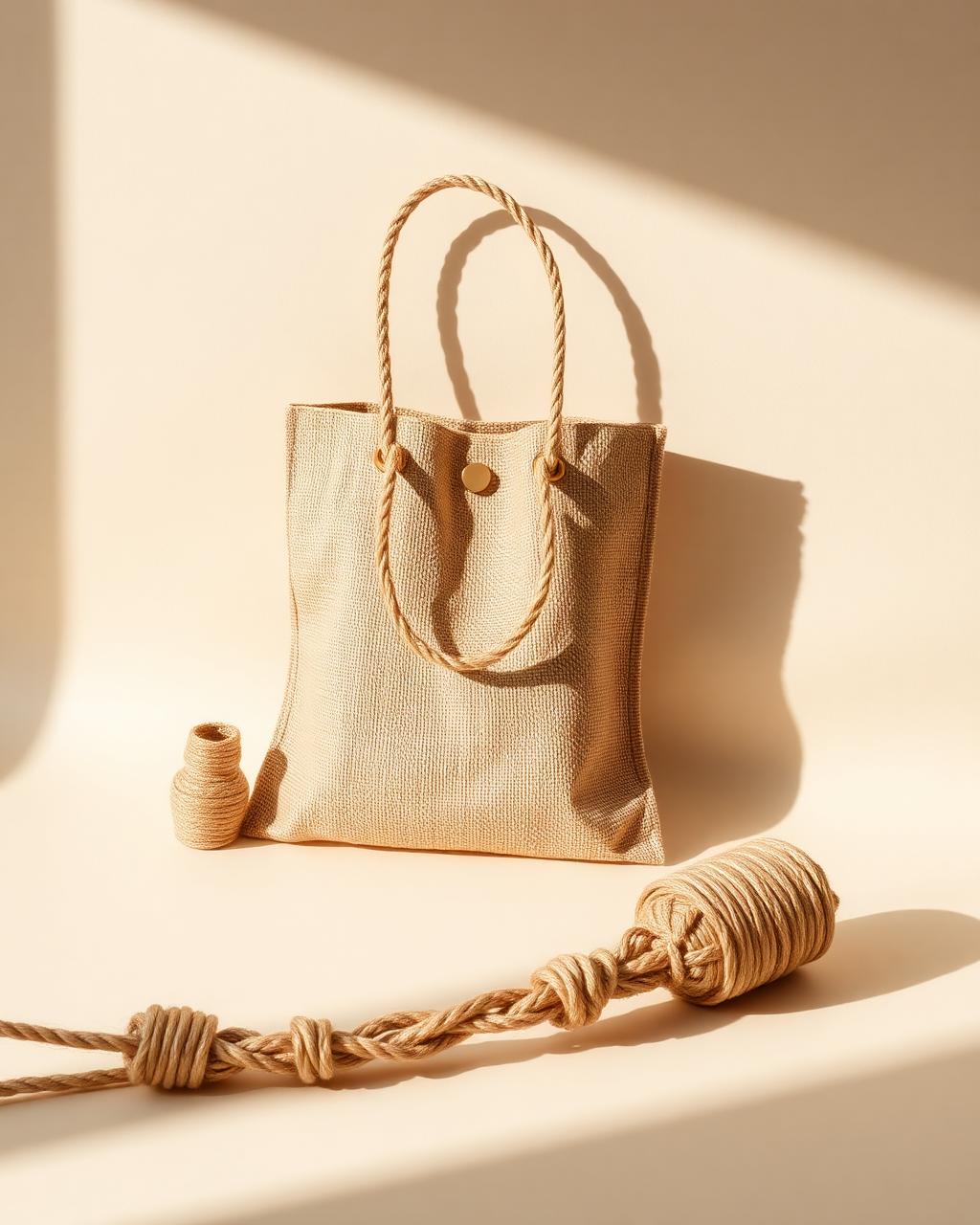
Bangladesh's golden fibre. A bast fibre from Corchorus stalks, retted in river water, stripped by hand and spun. It was the country's first global export and remains its most under-rated luxury textile.

  • Absorbs roughly 15 tonnes of CO₂ per hectare during a 120-day growing cycle
  • Needs no irrigation beyond monsoon rainfall and almost no pesticide
  • Fully biodegradable in 1–2 years, unlike the polypropylene sacking that replaced it
  • Bangladesh produces around a third of the world's raw jute

Care
Spot clean. Keep dry between uses; jute wicks moisture and will mildew if stored damp.
Water Hyacinth

Pirojpur, Jhalokati, the Meghna basin

Water Hyacinth

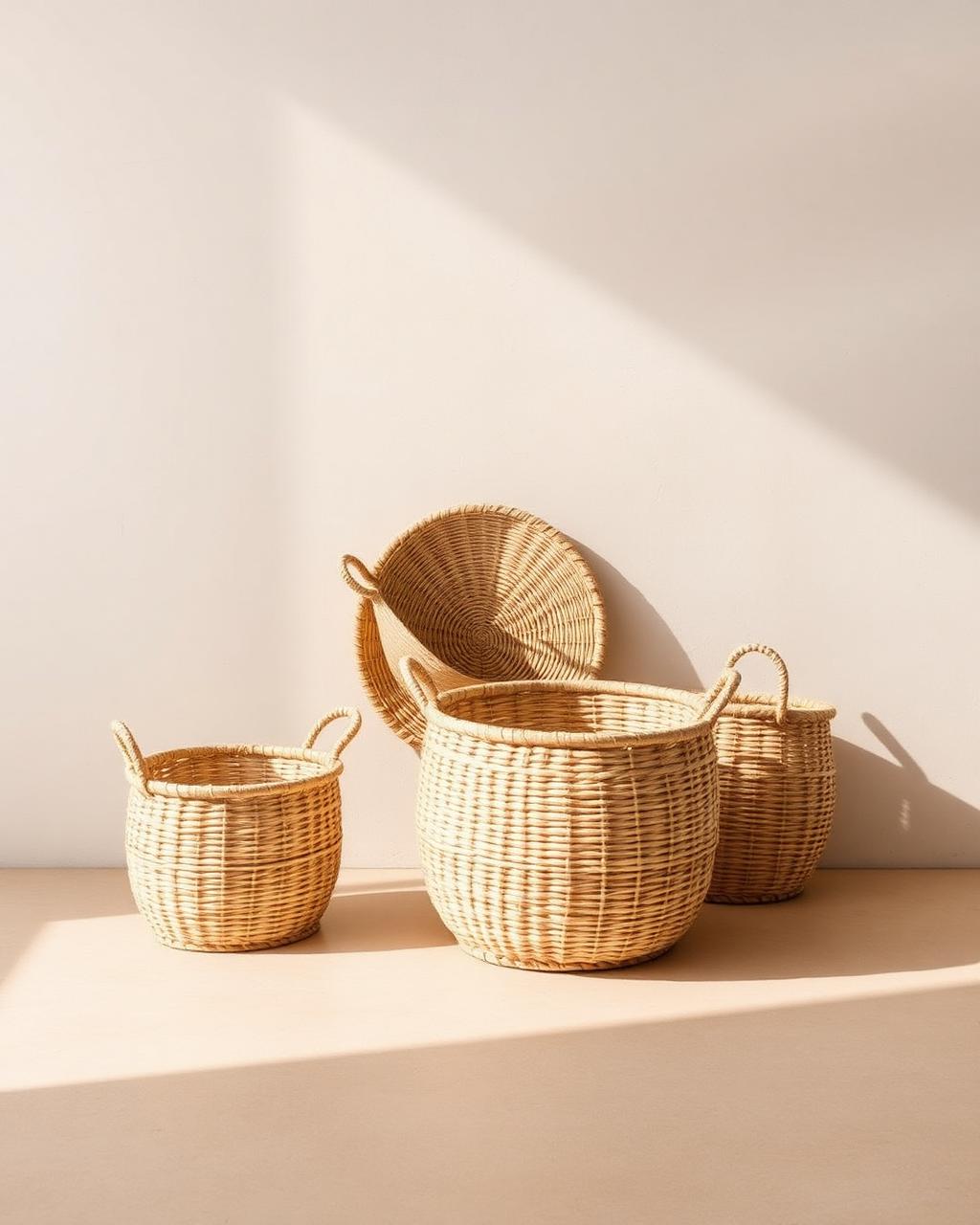
An invasive floating weed that clogs the southern waterways every monsoon. Harvesting it is a public good; weaving it turns a nuisance into a livelihood.

  • Doubles its biomass in as little as twelve days on open water
  • Sun-dried for 10–14 days before weaving; no chemical treatment
  • Harvest removes nitrogen and phosphorus load from the water column
  • Strong in compression, which is why it holds a basket wall without a frame

Care
Dust with a dry brush. Wipe with a barely damp cloth and air-dry fully. Keep out of standing water.

Terracotta

Bogura, Rajshahi Division

Terracotta

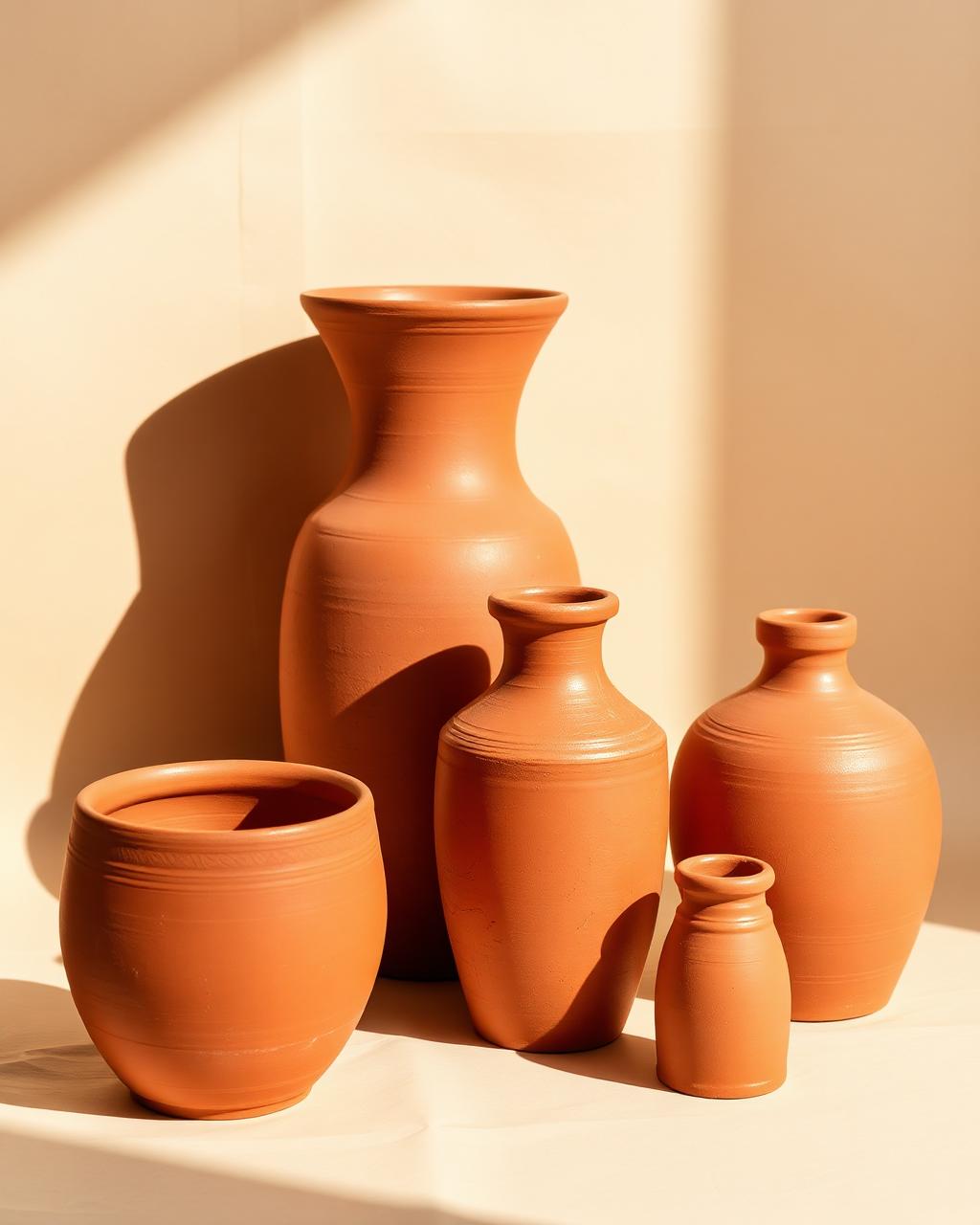
Alluvial clay from the riverbank, thrown on a foot wheel and fired in a wood kiln. Unglazed, porous and food-safe by nature rather than by coating.

  • Fired at roughly 900–1000°C in an updraft kiln
  • Porosity is functional: it cools water and lets roots breathe
  • No lead, no glaze, no synthetic sealant on any of our clay
  • Colour variation between pieces comes from kiln position, not pigment

Care
Season new cookware by soaking overnight before first use. Hand wash. Avoid thermal shock — no cold water onto a hot pot.

Khadi & Handloom Cotton

Kushtia, Cumilla, Narayanganj

Khadi & Handloom Cotton

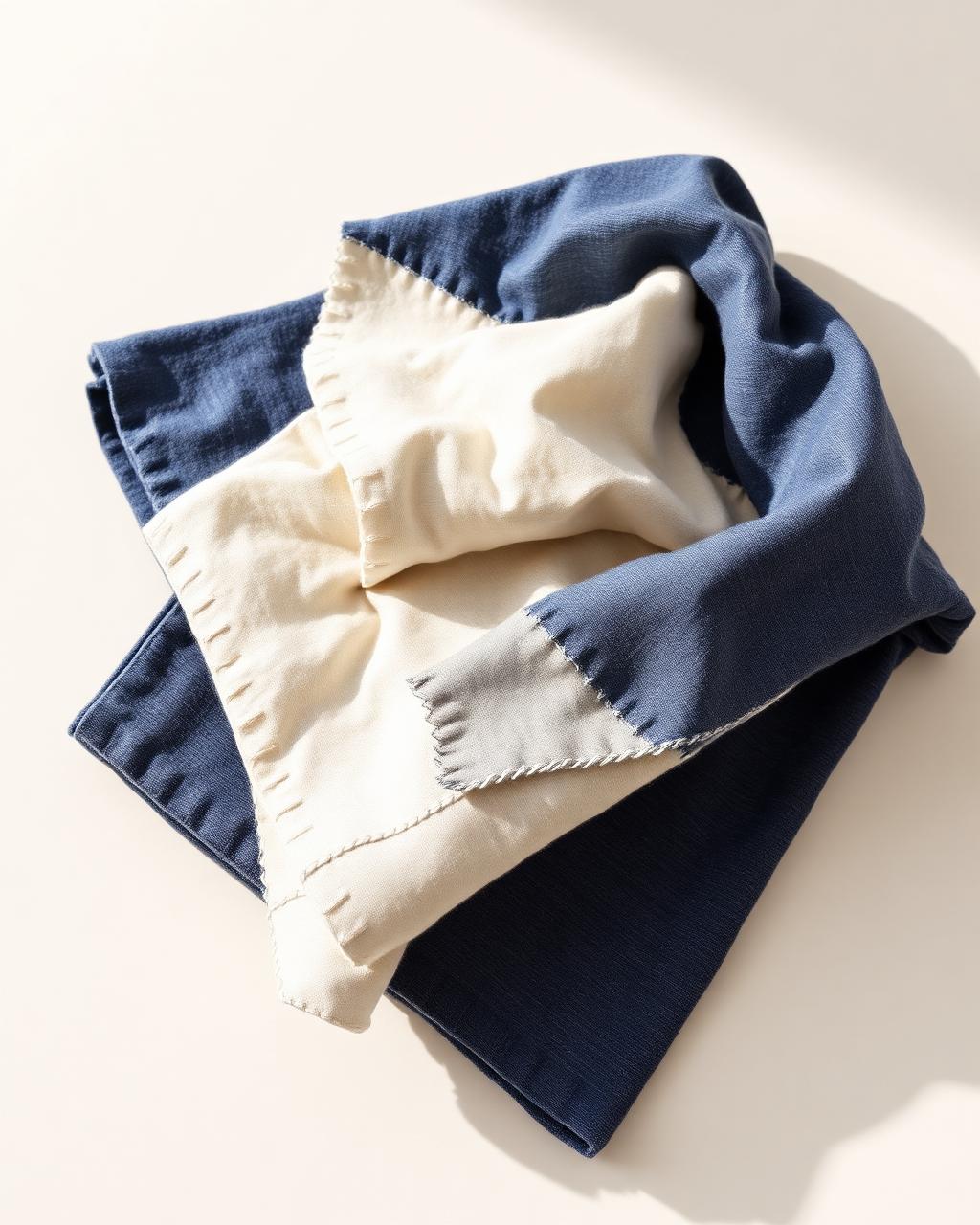
Cotton hand-spun on a charkha and hand-woven on a pit loom. Electricity is absent from the entire chain, which is why khadi's carbon cost is close to zero and its hand is unmistakable.

  • A weaver produces 4–6 metres per day
  • Uses roughly 3 litres of water per metre against 55+ for mill cloth
  • Jamdani, its finest expression, holds a GI registration and UNESCO listing
  • Softens for years rather than degrading

Care
Cold hand wash for the first three washes. Line dry in shade. Expect around 4% shrinkage initially.

Cane, Bamboo & Murta

Sylhet, Jhalokati

Cane, Bamboo & Murta

Fast-growing grasses and canes split into strands and woven. Murta cane makes shitalpati, a mat so finely woven it folds like fabric and stays cool in humidity.

  • Bamboo reaches harvest maturity in 3–5 years against 25+ for hardwood
  • Shitalpati weaving is inscribed on UNESCO's intangible heritage list
  • Cut in the dry season and cured for six weeks before use
  • No lacquer or polyurethane on any of our cane work

Care
Wipe with a damp cloth. Occasionally oil bamboo with coconut oil to prevent splitting in dry climates.

Areca Leaf & Bagasse

Sylhet, Rajshahi

Areca Leaf & Bagasse

Areca palms shed their leaf sheaths naturally; bagasse is the fibre left after sugarcane is crushed. Both are waste streams pressed into tableware using only heat and water.

  • No binder, bleach, wax or plastic lining is used at any stage
  • Home compostable in around 60 days, industrially in 30
  • Withstands hot food to 120°C and is microwave safe
  • No tree is cut — the sheath falls on its own

Care
Single or light multiple use. Compost after use; do not send to landfill where it cannot break down aerobically.

Coir & Coconut Shell

Cox's Bazar, Chattogram

Coir & Coconut Shell

The husk and shell of coconuts already harvested for copra and water. Both were burned as waste for decades before the craft clusters found better uses.

  • Coir is one of the few natural fibres resistant to salt water
  • Shell hardness sits close to hardwood, so it turns and polishes cleanly
  • Finished with food-grade coconut oil only
  • Every shell we use is a byproduct, never a primary harvest

Care
Hand wash coconut vessels; re-oil occasionally with coconut oil to restore the sheen.

Natural Dyes

Jamalpur, Kushtia

Natural Dyes

Indigo, madder, turmeric, catechu, pomegranate rind and iron liquor. Fermented vats and mordanting with alum rather than heavy metals.

  • No azo dyes, no chrome mordants, no effluent discharged untreated
  • Indigo is fermented over 5–7 days before the first dip
  • Shades shift subtly between batches and between seasons
  • Colour softens with washing and never looks flat

Care
Wash separately in cold water for the first few washes. Dry out of direct sun.