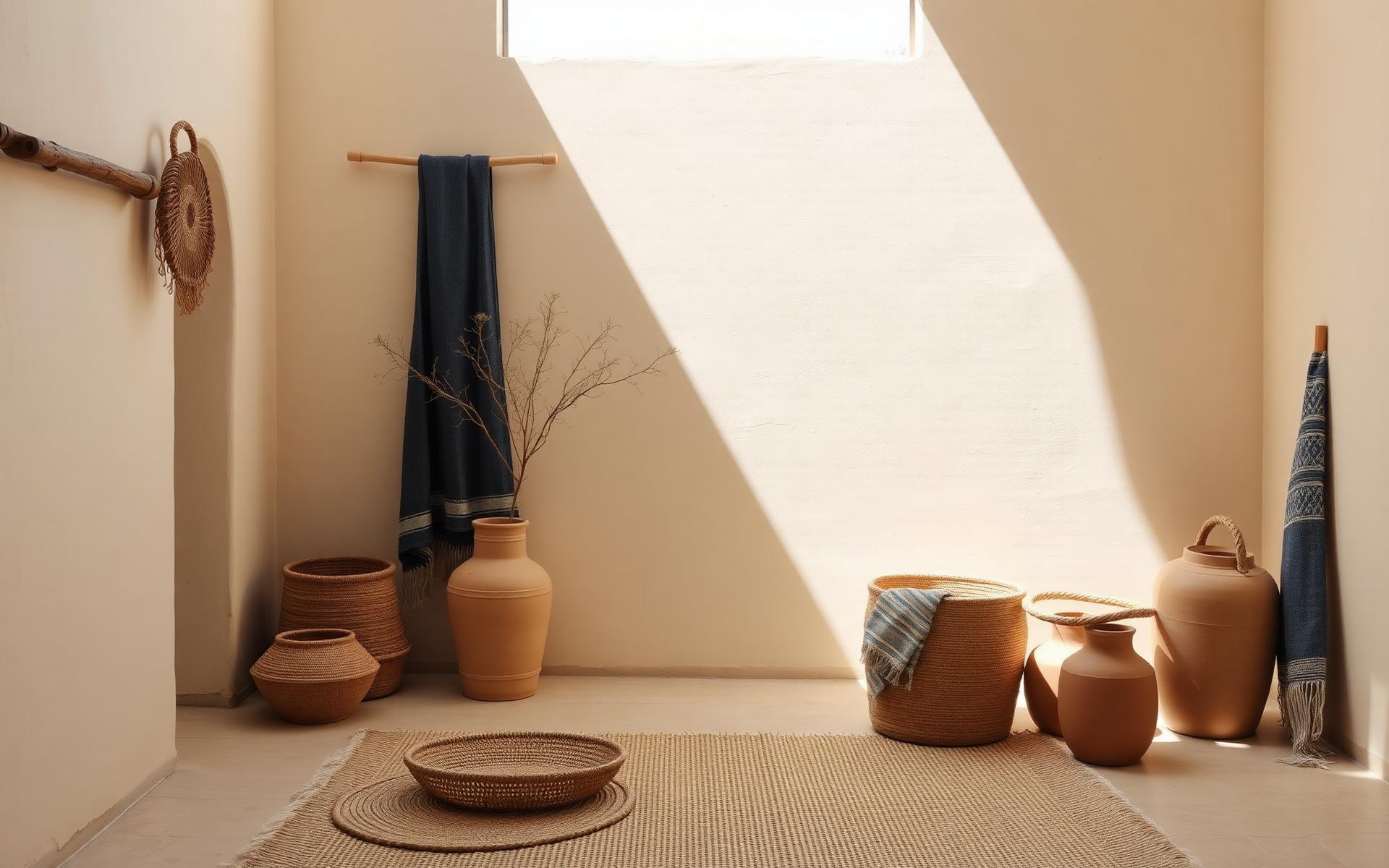
Our story
Handmade at the source
Origo is a homeware house built on the oldest supply chain in Bangladesh — a river, a fibre and a pair of hands that already knew what to do with them.
Almost everything sold as 'eco-friendly' in the global homeware market is a manufactured claim. A bamboo-fibre bowl held together with melamine resin. A 'natural' basket dipped in polyurethane. A recycled-plastic rug that will shed microfibre for forty years. The category grew faster than its own honesty.
Origo started from the opposite end. Bangladesh already has the materials — jute, water hyacinth, hogla reed, cane, khadi cotton, river clay, coconut shell, areca leaf, kapok. It already has the skill: kantha embroidery, wheel-thrown terracotta, sitalpati mats, handloom weaving, brass casting, all of it passed down inside families rather than taught in a factory. What it did not have was a brand willing to present that work to Copenhagen, Melbourne and New York without apology and without a discount.
So we did not invent products. We went to the districts where the craft already lives — Jamalpur, Pirojpur, Bogura, Narayanganj, Sylhet, Chattogram, Rangpur — and commissioned the pieces those makers are best in the world at, in colourways and dimensions that suit a contemporary home.
The name is Latin for origin. It is a promise about two things: where the material came from, and who was paid for it.
What we refuse to do
- No synthetic core. If a piece needs a stiffener, it is cane or cotton, not plastic. Nothing in the catalogue contains PVC, melamine, polyurethane coating or PFAS-based non-stick.
- No day-rate piecework. Makers are paid per finished piece at a rate agreed before the order, with 50% released at commission.
- No anonymous factory. Every product page names the district it was made in. Every collection maps to a named cluster of households.
- No plastic in the parcel. Jute twine, recycled kraft, cotton dust bags, paper tape. Nothing to unwrap that you then have to bin.
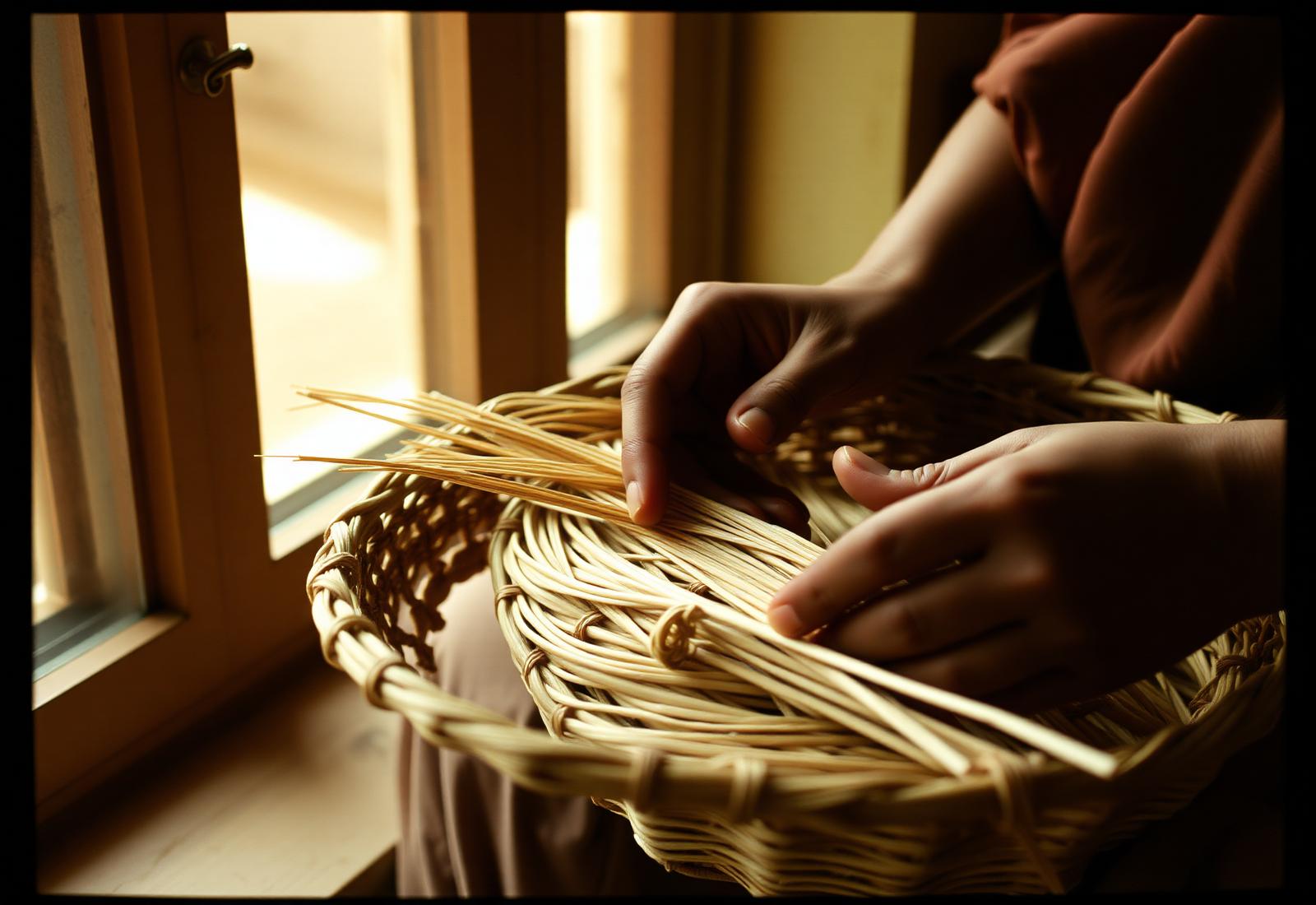
By the numbers
- 612
- artisan households across 9 districts
- 161
- products, none mass-moulded
- 78%
- of makers are women working from home
- 0
- grams of virgin plastic in our packaging
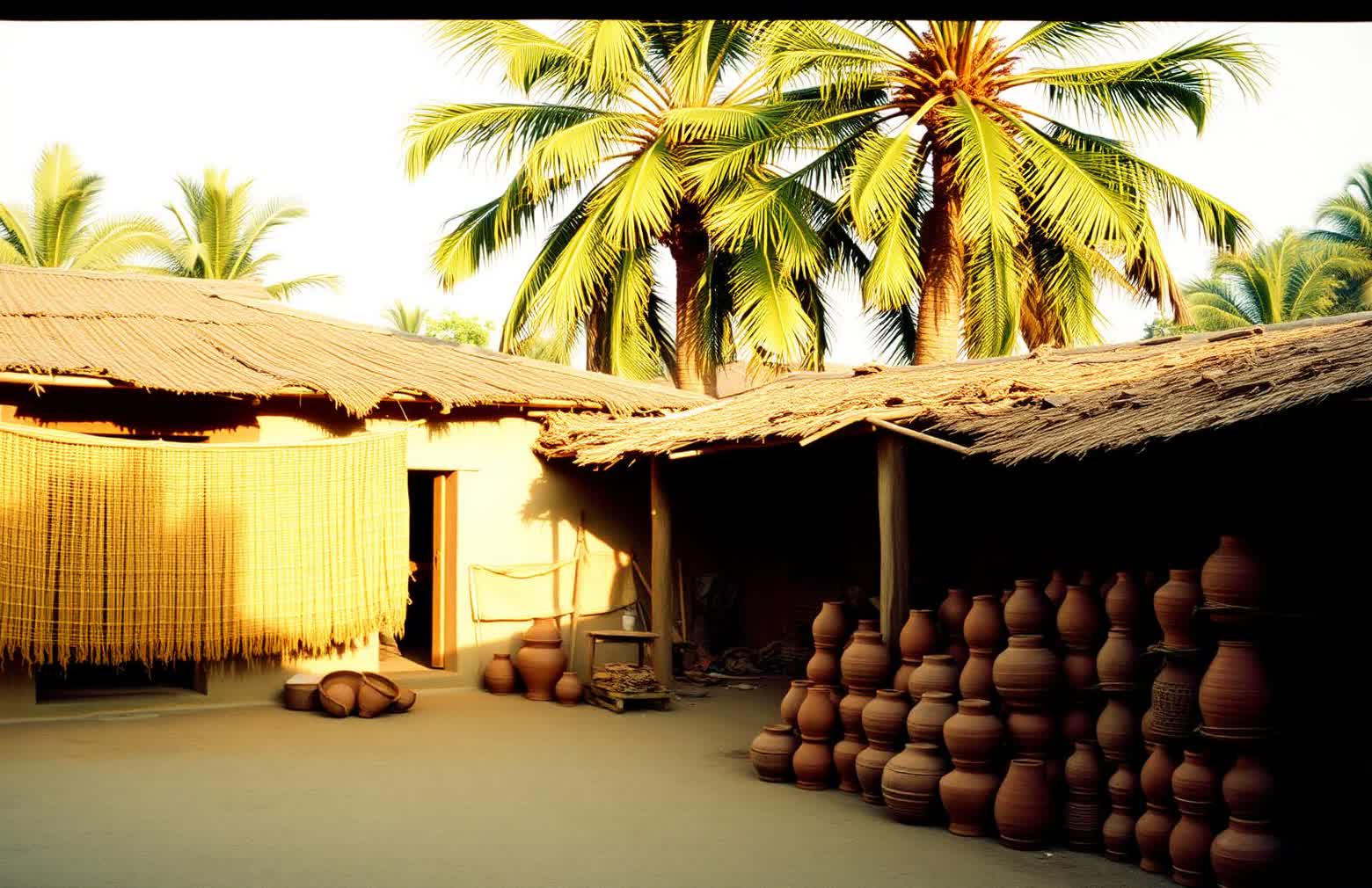
Where it goes next
A wage that survives the season
Craft income in rural Bangladesh has always been seasonal, which is another way of saying unreliable. A weaver earns in the dry months and borrows in the wet ones. The single most useful thing an export brand can do is place repeat orders on a calendar the household can plan around.
That is why we run a wholesale programme and a custom commissioning studio alongside retail. Trade orders are what turn a good month into a good year.