Made in Bangladesh · Shipped worldwide
Handmade at the source.
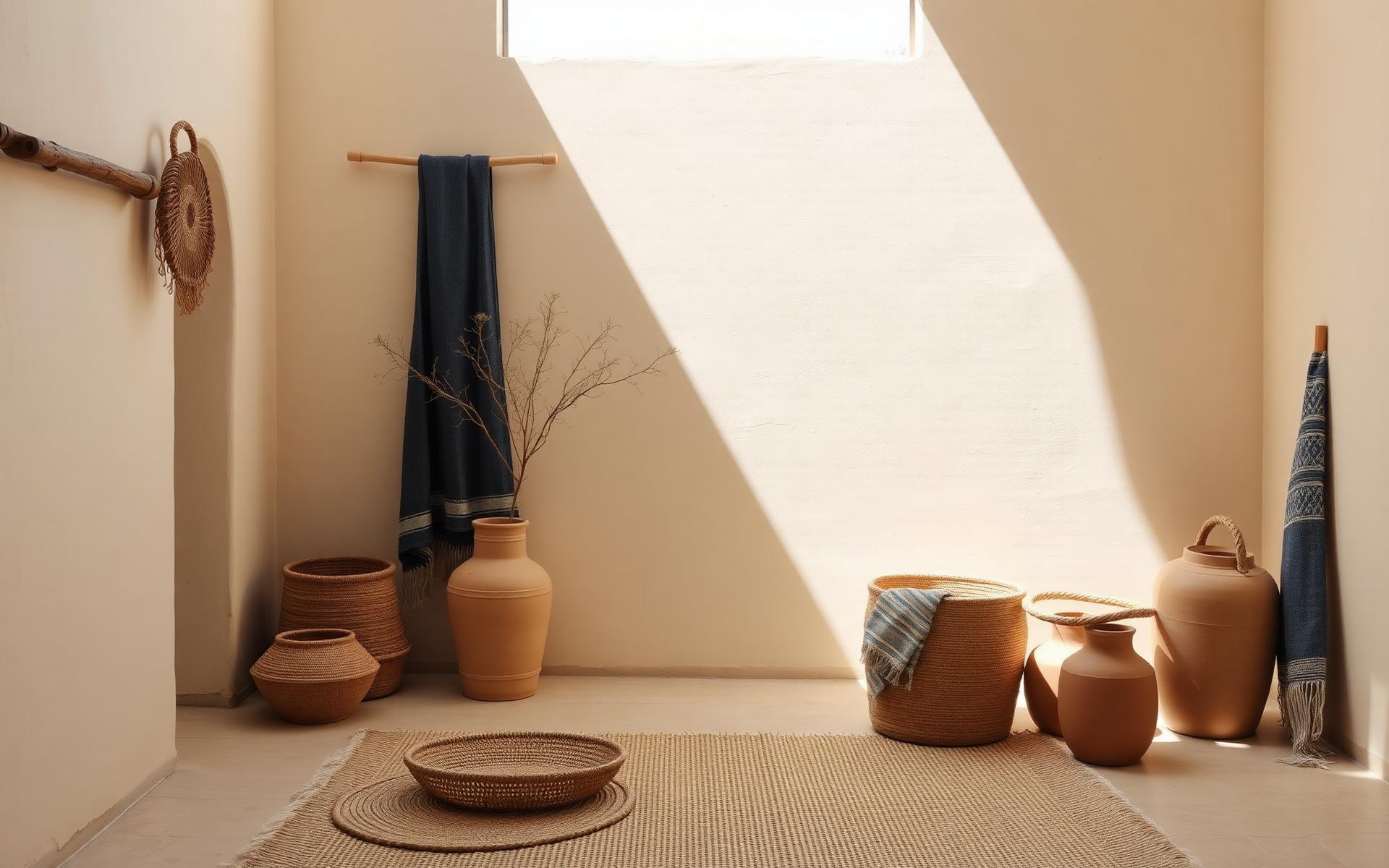
Jute from Rangpur. Clay from the Bogura riverbank. Kantha stitched in Jamalpur. Nothing synthetic, nothing anonymous — every piece names the district and the hands it came from.
Shop the collectionThe collection
Ten crafts, one delta
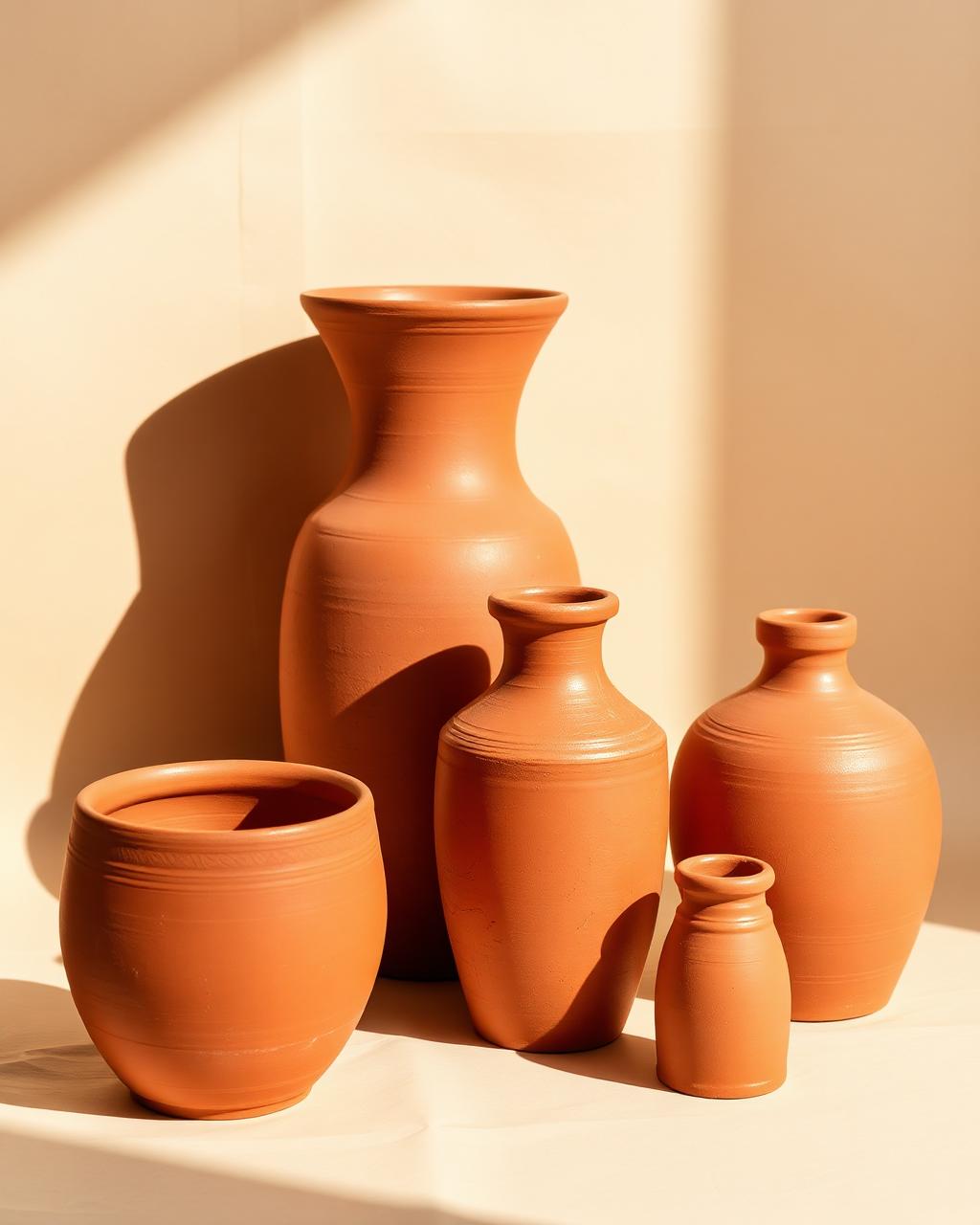
Kitchen & Dining
Fired, turned, pressed — never moulded from plastic
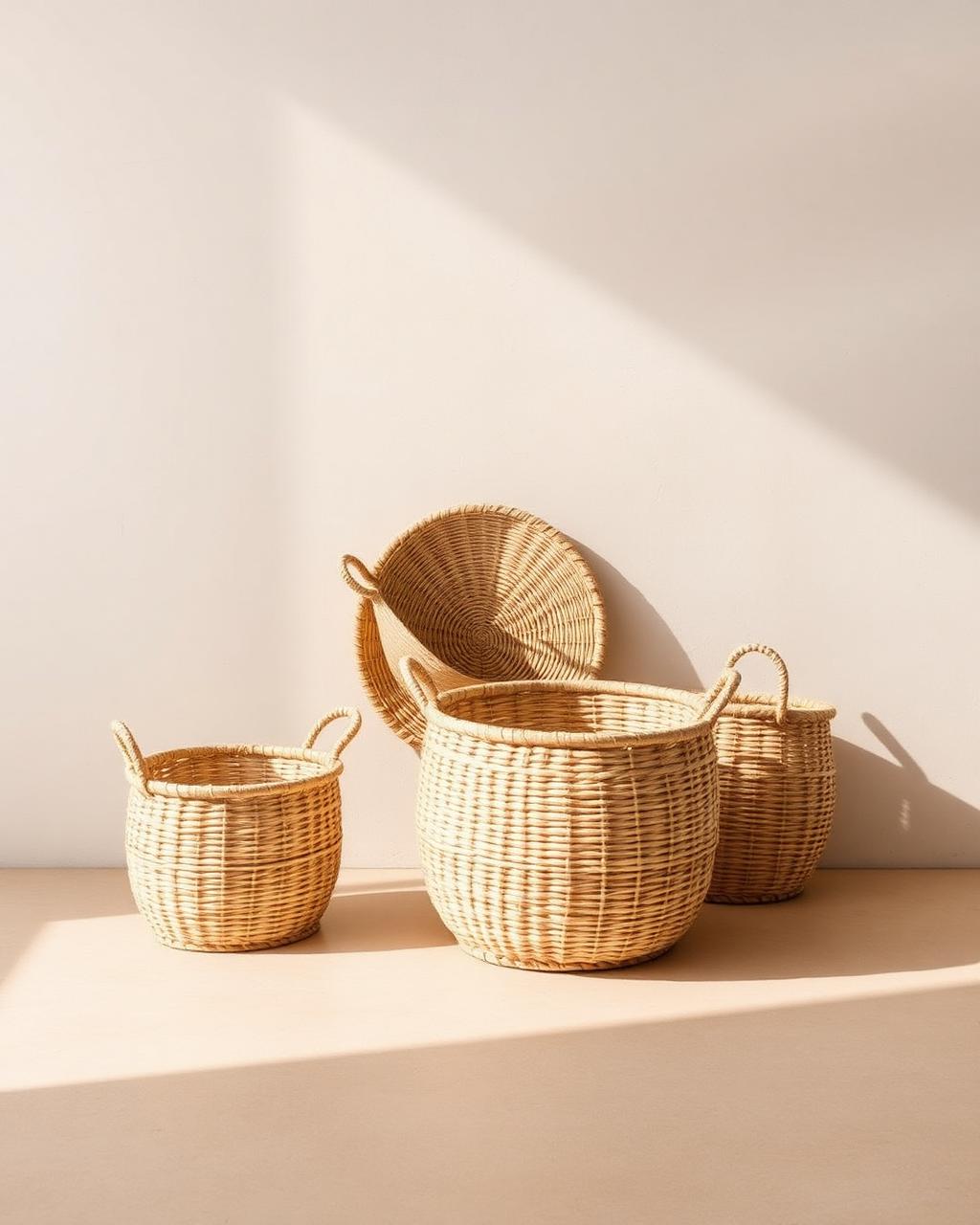
Home & Living
Rooms furnished by riverbanks
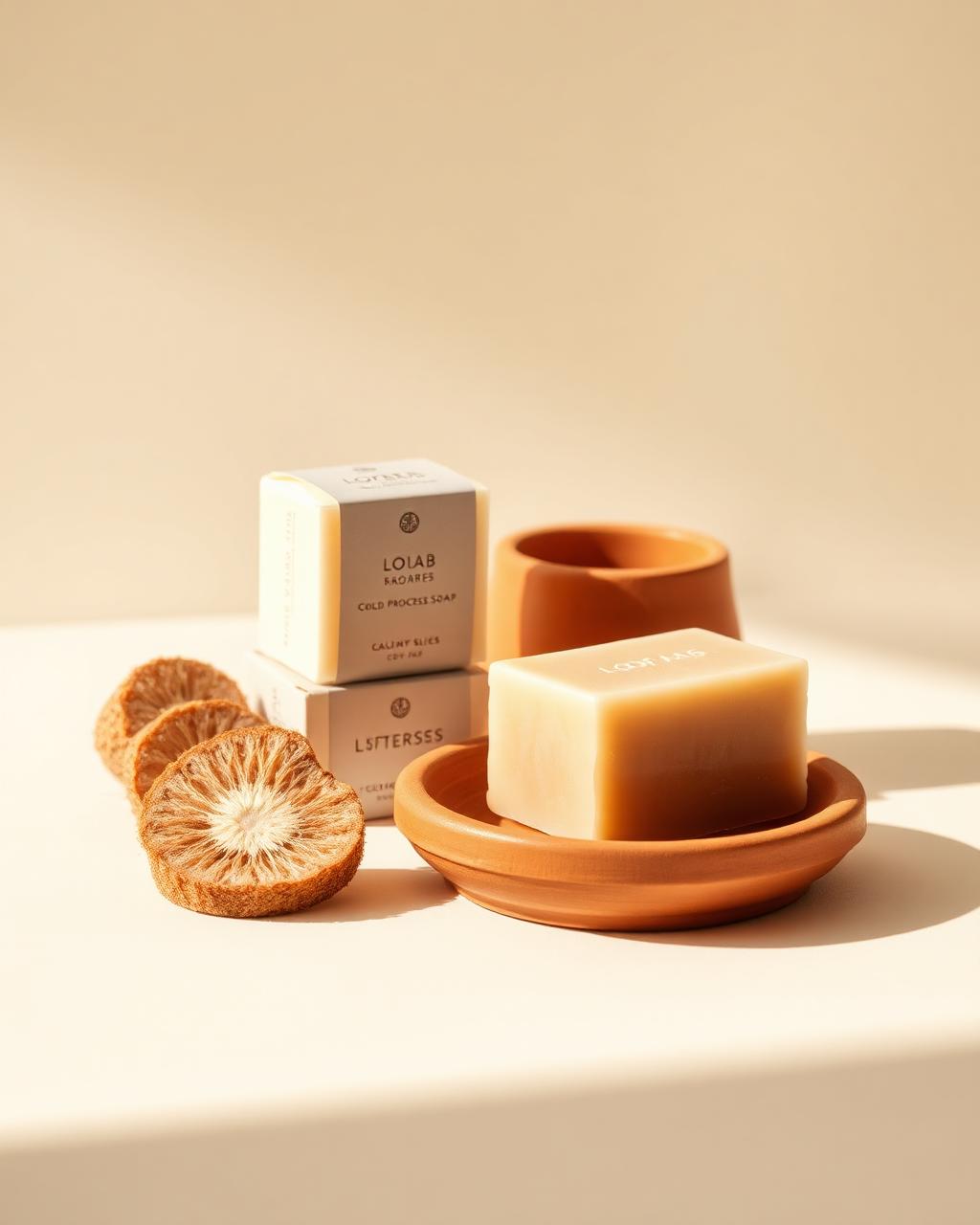
Bath & Body
Cold-pressed, kiln-dried, hand-cut
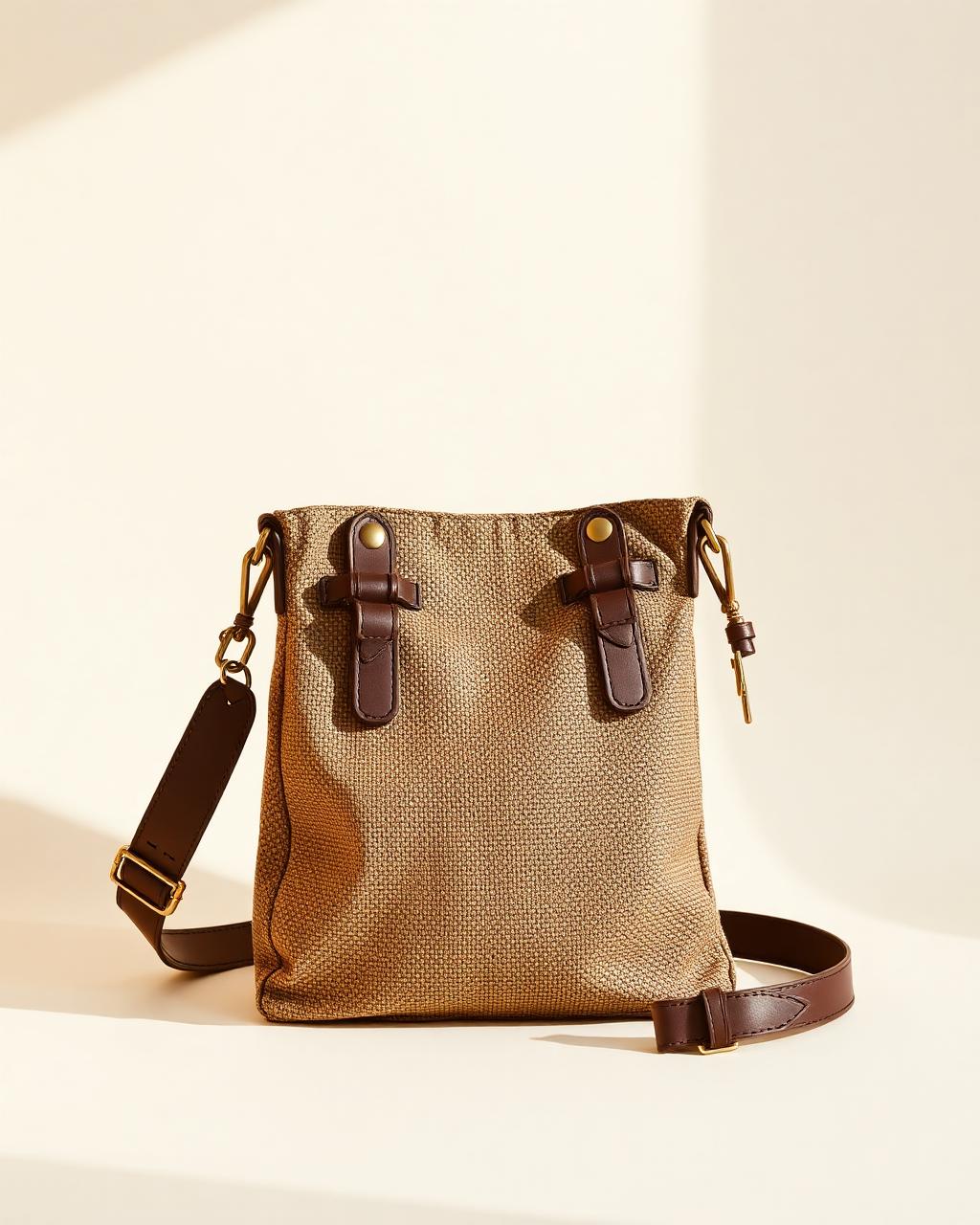
Bags & Accessories
The golden fibre, cut sharp
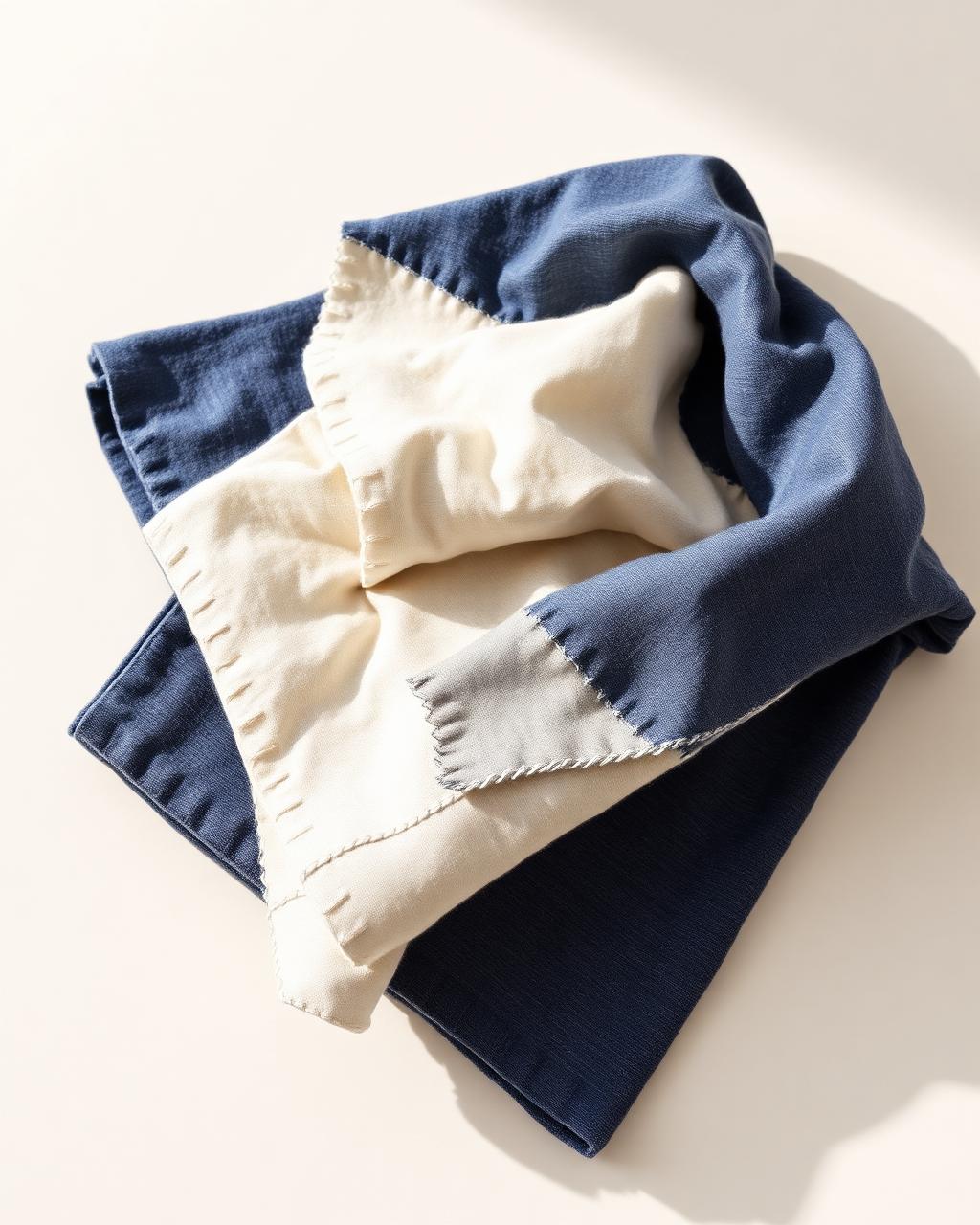
Textiles
Cloth with a paper trail of hands
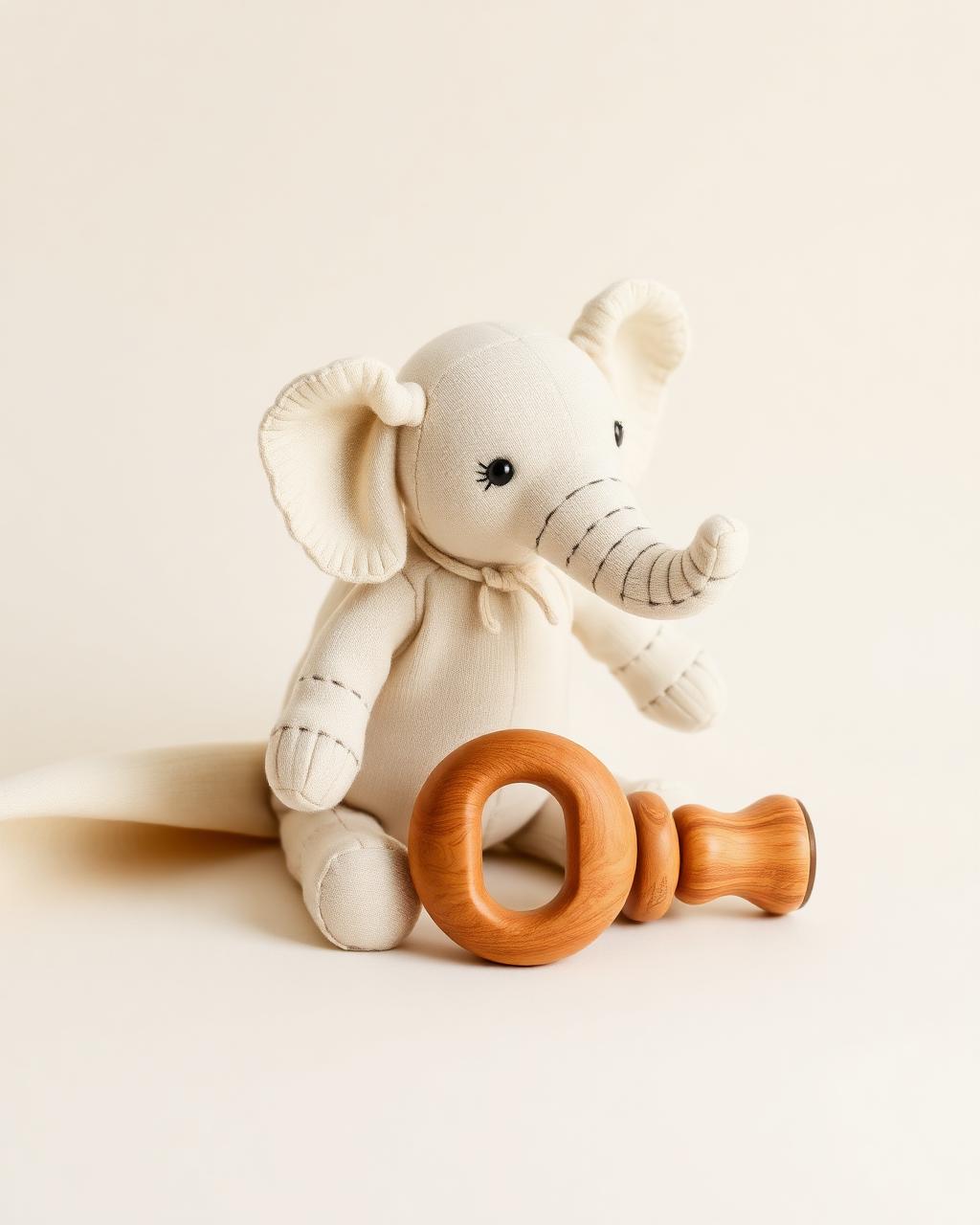
Kids & Toys
Nothing a child shouldn't chew
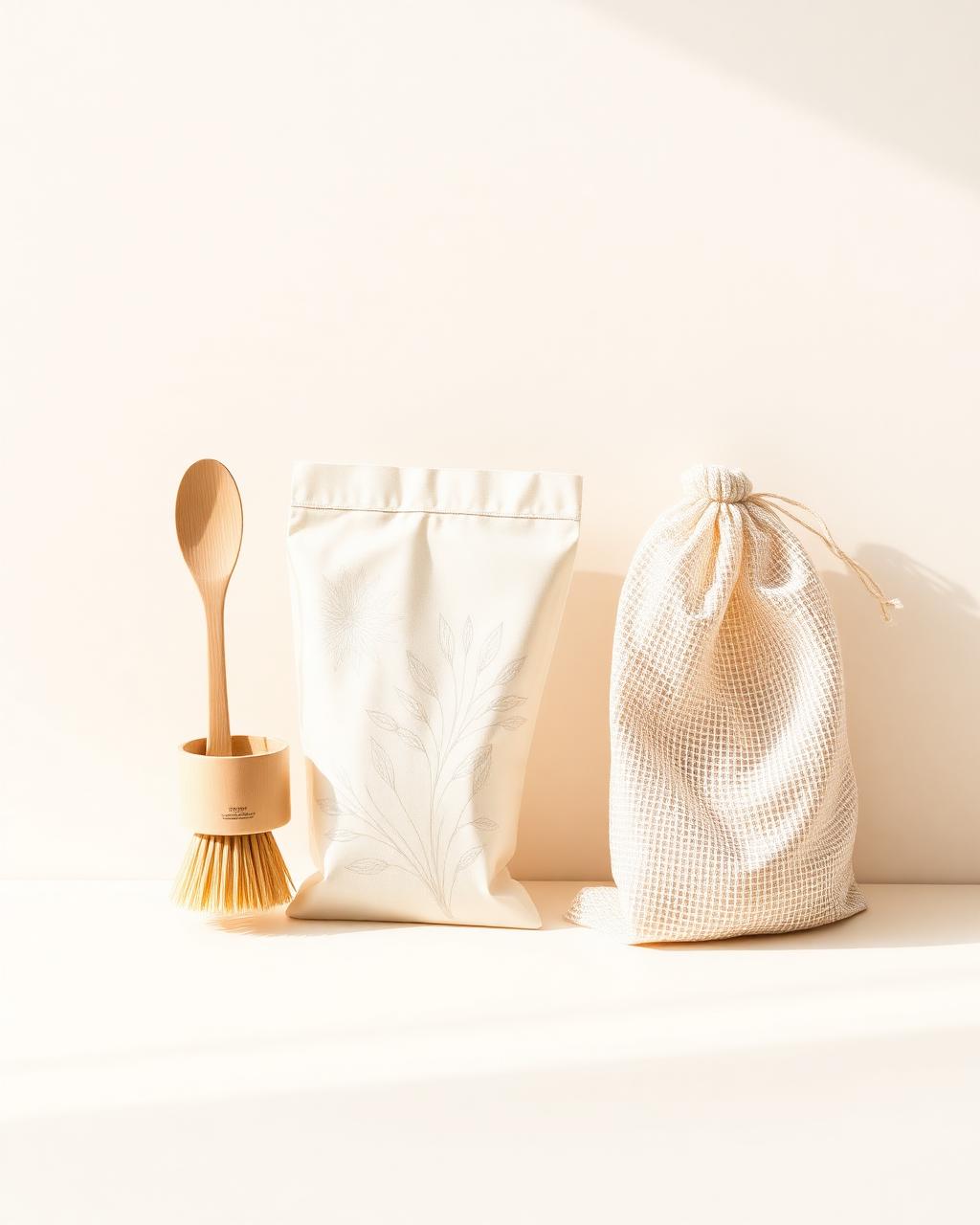
Zero-Waste Essentials
The boring things, done properly
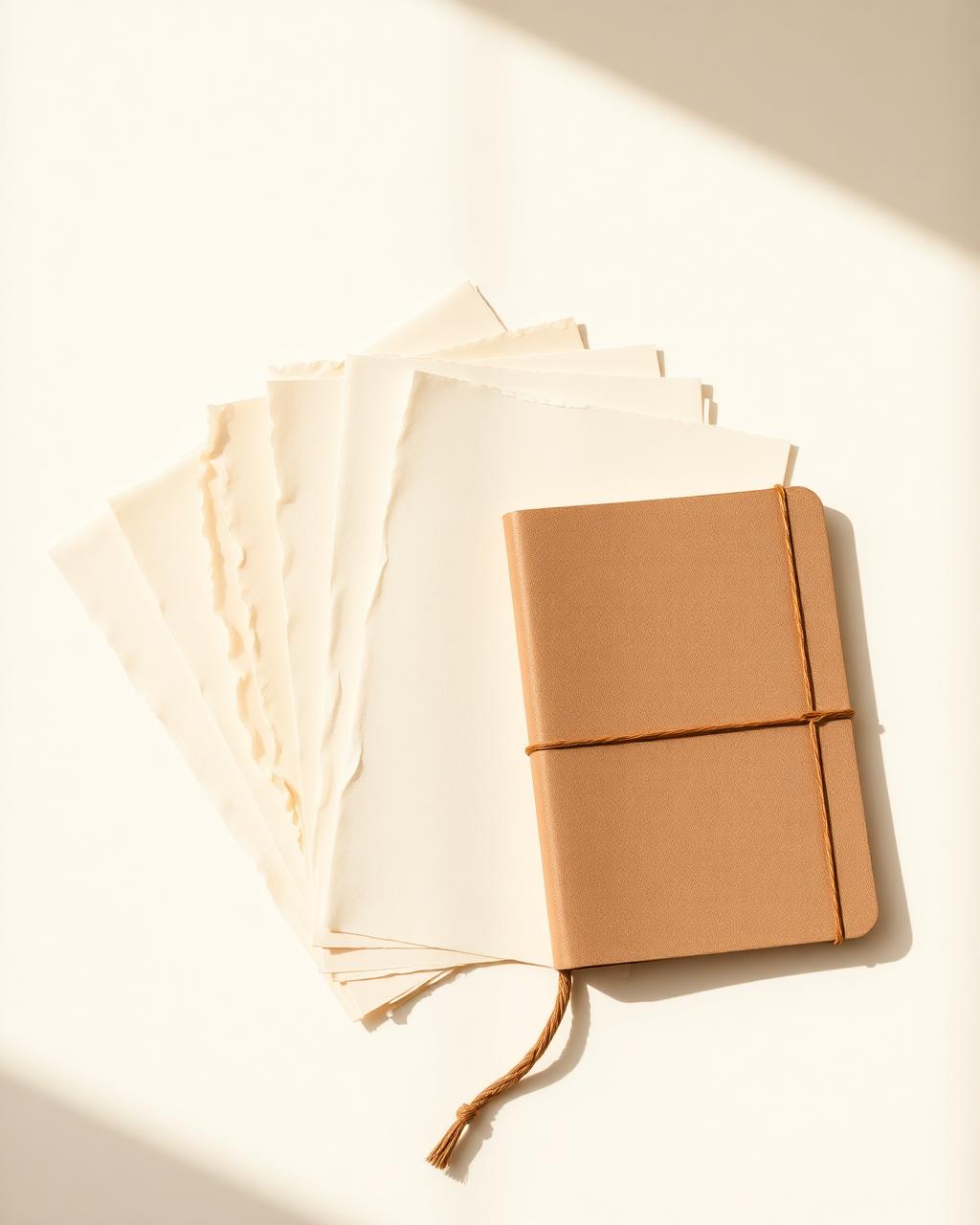
Stationery & Gifting
Paper made from what the mill threw out
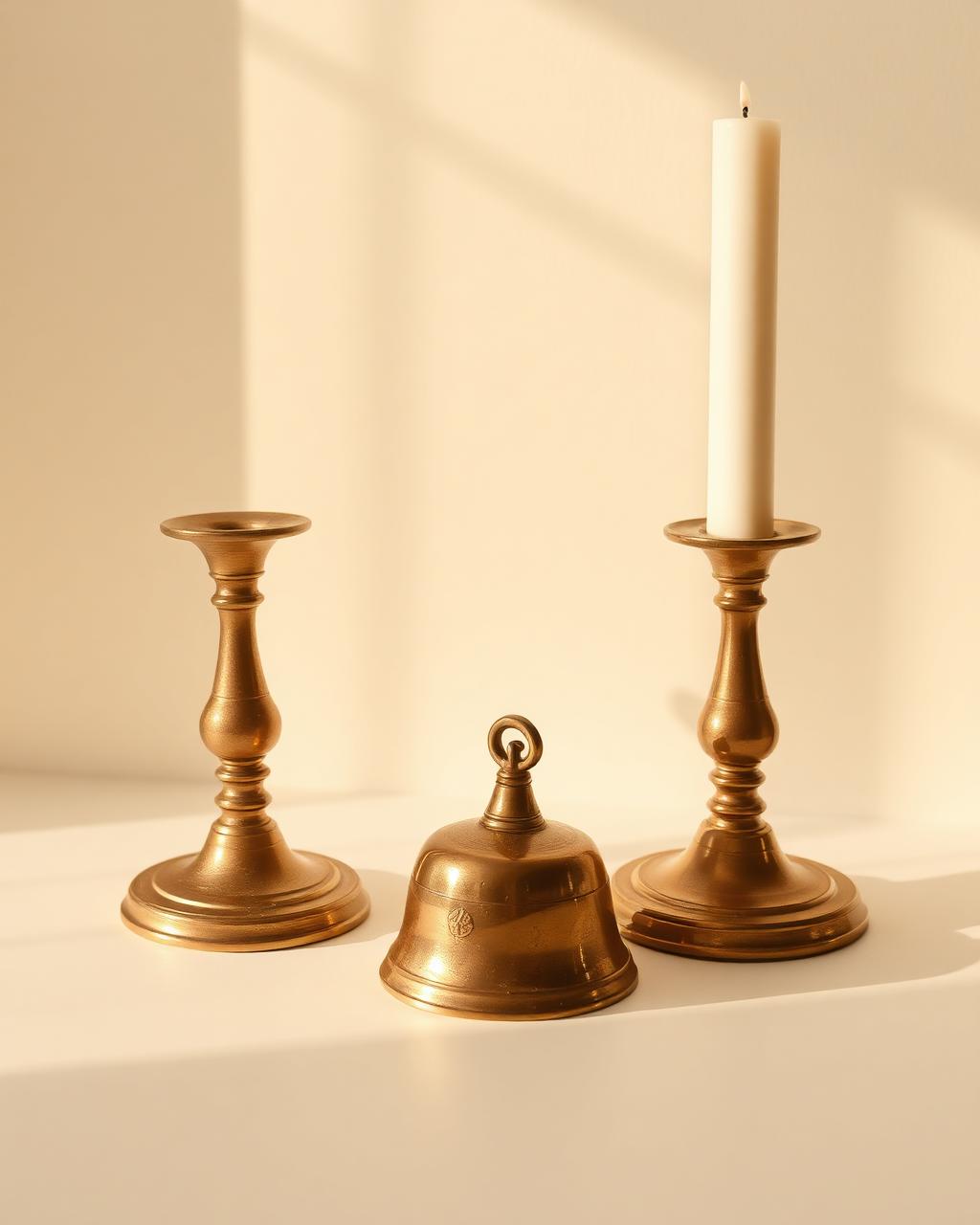
Decor & Ritual
Objects for the slower hours
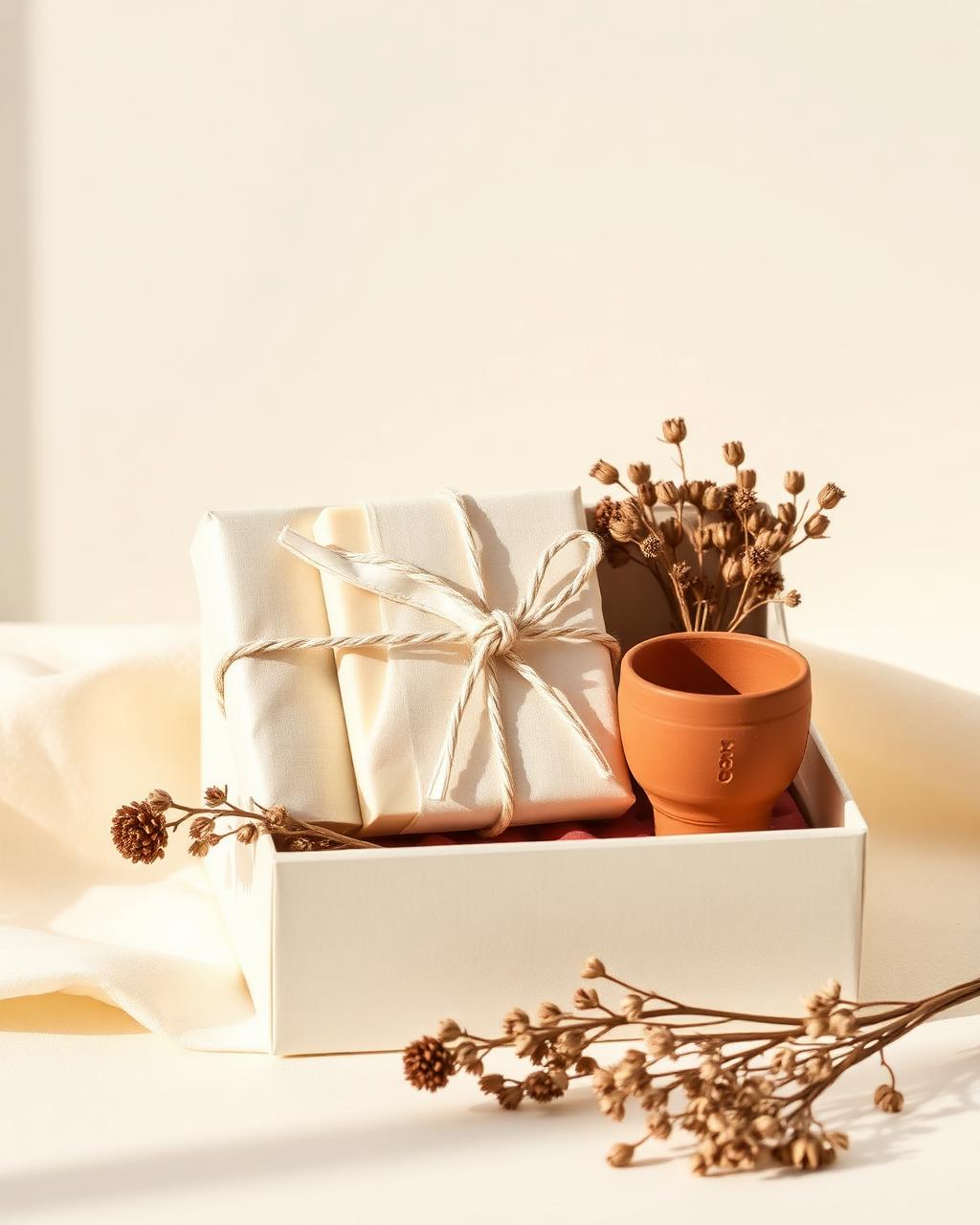
Wedding & Corporate
Gifting at volume, without the landfill
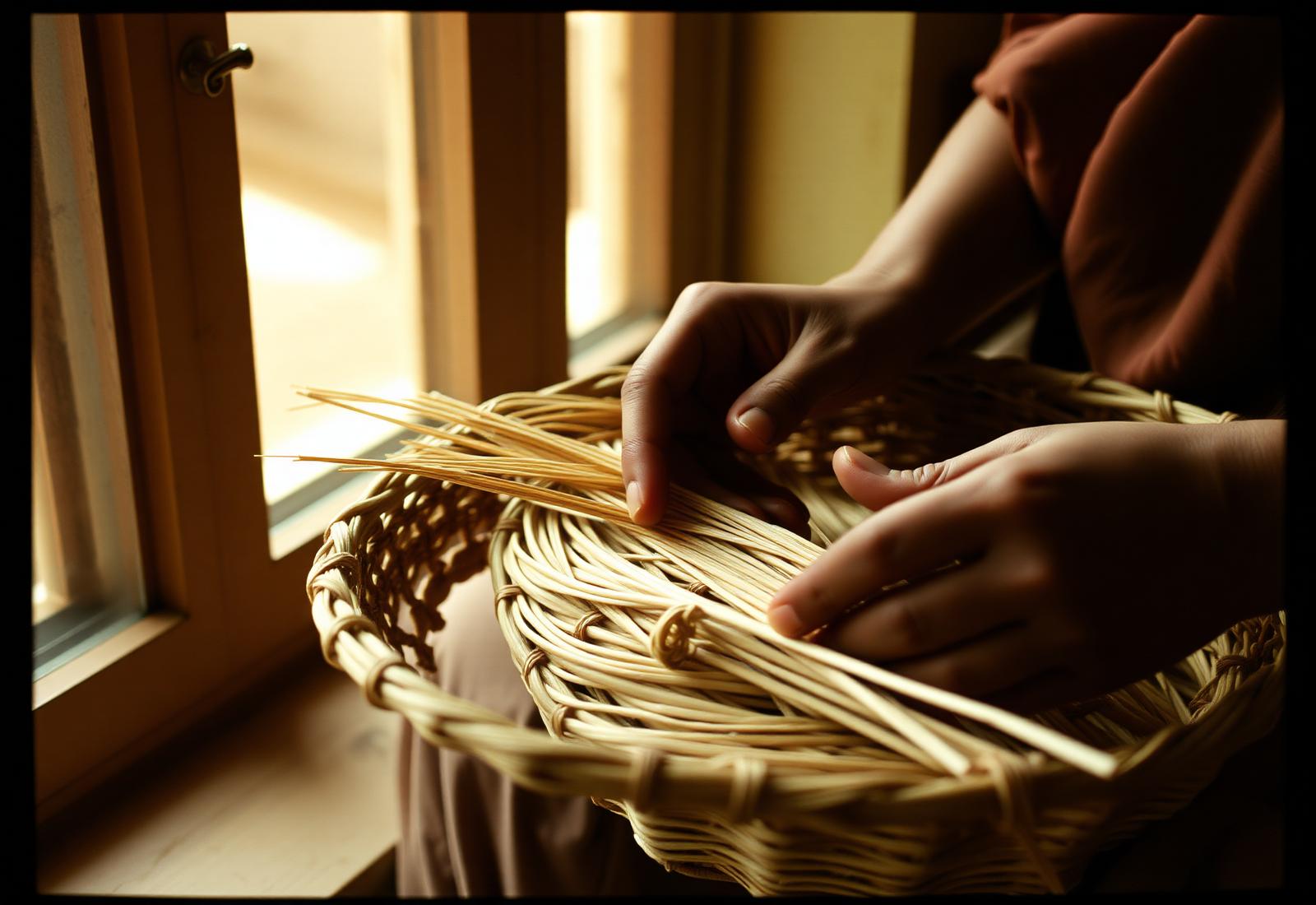
Why Bangladesh
The materials were always here. So were the hands.
Bangladesh grows a third of the world's jute, floats an invasive weed that weaves like rope, and holds two UNESCO-listed craft traditions in villages most exporters have never visited. What the global market usually gets instead is a synthetic imitation of all of it, moulded somewhere else.
Origo works directly with eight clusters across seven districts. We publish the district on every product, pay by the piece at rates agreed with the cluster, and settle half the order before a single stitch is made.
Read our storySignatures
Pieces we are known for
Origo Jute Market Tote
$34Jute · Narayanganj
Nakshi Kantha Throw — Indigo Field
$210Recycled cotton sari · Jamalpur
Water Hyacinth Storage Basket, Large
$68Water hyacinth · Pirojpur
Bogura Clay Handi Pot
$42Unglazed terracotta · Bogura
Khadi Cotton Bath Towel
$42Handspun khadi cotton · Kushtia
Kapok Elephant Soft Toy
$38Handloom cotton · Jamalpur
Cotton Rag Journal A5
$28Cotton rag paper · Manikganj
Cast Brass Candle Holders, Pair
$72Lost-wax cast brass · Dhamrai
Jamalpur, Mymensingh Division
The Jamalpur Kantha Circle
Nakshi kantha began as thrift: layering worn saris and holding them together with a running stitch. In Jamalpur it became narrative — lotus, fish, sun and boat motifs read left to right across a quilt.
“My mother stitched kantha for the house. I stitch it for houses I will never see.”
Pirojpur & Jhalokati, Barishal Division
Pirojpur Hyacinth Weavers
Water hyacinth is an invasive plague on the southern rivers — it blocks boats, starves fish of oxygen and returns every monsoon. Harvesting it is river maintenance.
“People used to pay to have the weed cleared. Now the weed pays us.”
Bogura, Rajshahi Division
The Bogura Kilns
Six families work the same clay bank their great-grandparents dug. Everything is thrown on a foot-driven wheel and fired in an updraft wood kiln for eighteen hours.
“The kiln decides the colour. We only decide the shape.”
Trade
Wholesale & bulk
Four volume tiers up to container quantity, 30–55% off retail, sea freight consolidation and private-label options for stockists and distributors.
See tier pricingBespoke
Custom orders
Your dimensions, your weave, your dye, your branding. Send a brief and we cost it, sample it and produce it with the cluster best suited to it.
Start a briefJournal
Research, not marketing
Materials · 6 min
The Weed That Pays a Wage
Water hyacinth chokes the rivers of southern Bangladesh every monsoon. In Pirojpur, pulling it out has become an industry.
Heritage · 8 min
Why Jute Lost, and Why It Comes Back
Bangladesh had a global export before it had a flag. Then polypropylene arrived. The looms never quite stopped.
Craft · 7 min
Forty Thousand Stitches
A nakshi kantha throw is not embroidered fabric. It is six worn saris, one running stitch, and about five weeks of a person's life.