Sustainability
Claims we can defend
The eco homeware market is full of language that means nothing. This page is the opposite: six commitments, the evidence behind them, and the places we still fall short.
01
Material honesty
Every product lists what it is actually made of, including thread, binding and hardware. If a piece contains anything synthetic — a cotton-poly stitch, a steel rivet — it is on the page. We would rather lose a sale than round a claim up.
02
Waste as a raw material
Areca tableware is a fallen leaf. Our paper is jute mill offcut. Coconut bowls are the shell left after copra is pressed. Water hyacinth is an invasive weed the community was already paying to clear. Roughly 40% of the catalogue is made from something that was previously a disposal cost.
03
Low-energy making
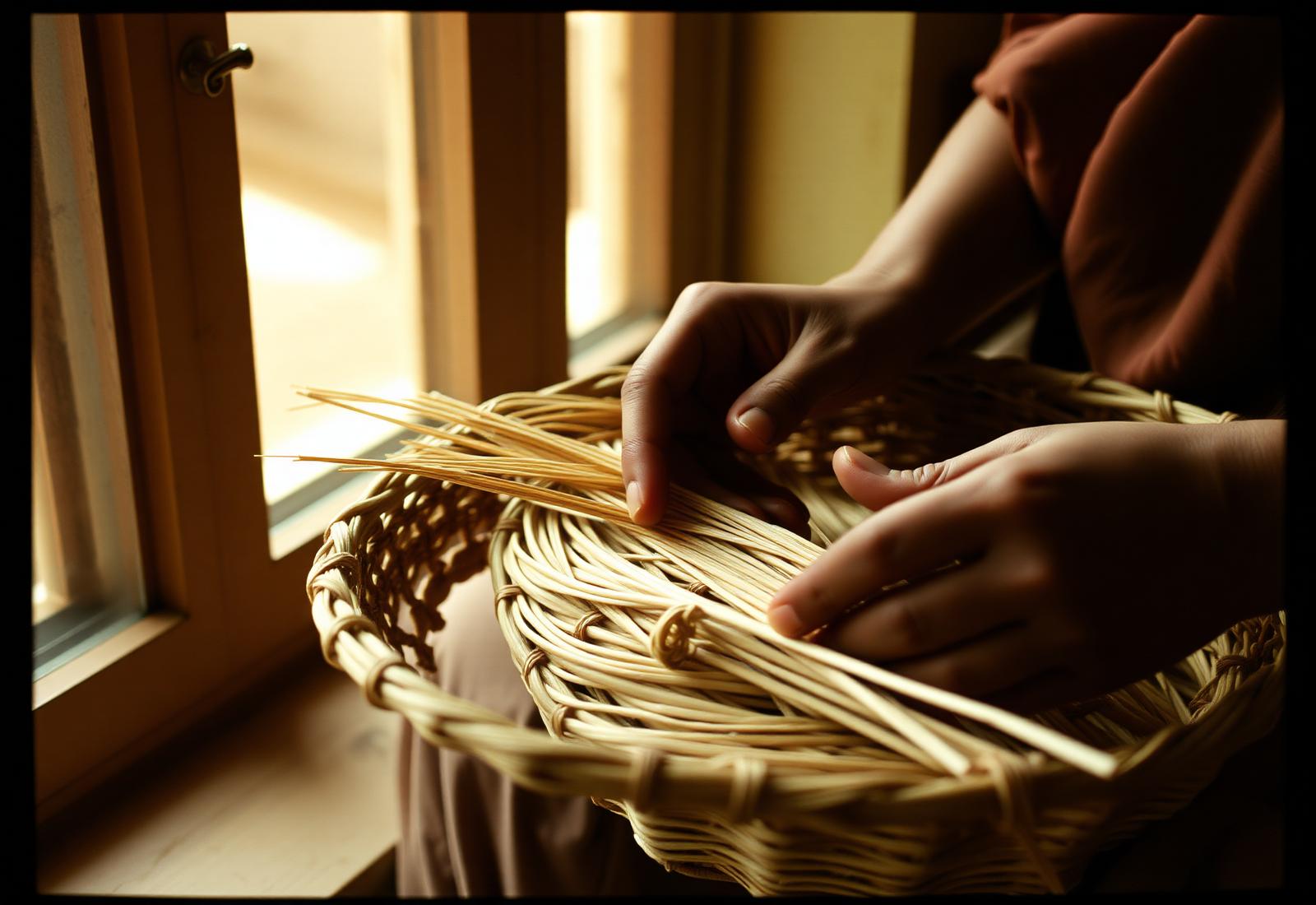
Foot-driven potters' wheels. Handlooms. Sun drying. Wood-fired updraft kilns using rice husk and offcut. No injection moulding, no resin curing, no industrial dye house. The embodied energy of a hand-coiled basket is close to the energy in the food the weaver ate that week.
04
Fair, predictable pay
Piece rates are agreed before an order is placed and 50% is advanced at commission so no household finances our inventory. Rates sit 20–35% above the local market rate for equivalent craft work, verified in an annual cluster survey.
05
Plastic-free logistics
Jute twine, recycled kraft board, cotton dust bags, paper tape, soy-based ink. Void fill is shredded jute sacking. Our only remaining plastic is the courier's own airway-bill sleeve, which we are working to replace.
06
Carbon we can actually name
We do not sell carbon neutrality. We ship from Dhaka, mostly by air for retail parcels, and that has a cost. We publish it, we offset sea-freight and air-freight tonnage through a mangrove restoration programme in Khulna, and we push trade buyers toward consolidated sea freight where lead time allows.
Where we are not there yet
Air freight. A retail parcel from Dhaka to London flies, and flying is the single largest line in our footprint. Consolidated sea freight is available to trade buyers with a six-week lead time, and we discount it deliberately.
Dye. Around a fifth of our textiles use low-impact reactive dye rather than natural dye, because certain colours are simply not achievable with plant matter at a consistency retail buyers accept. We label which is which.
Certification. We are not GOTS or Fair Trade certified. Certification is priced for factories, not for 612 households working from home, and the audit trail it produces would not tell you more than the cluster pages already do. We are building toward a group certification model for the khadi and kantha clusters in 2027.
This page is maintained by Origo and describes our own practices. It is not an independent audit or certification.